Showing posts with label Evolution. Show all posts

Tuesday, May 6, 2014

We need to grow a pair!

Hi Everyone!

Yes. I'm walking the line of crudeness because I'm fed up!  Honestly, if I hear one more client say that it's okay that they're having the bag of chips because they are made with whole grains, I'm going to lose it! Honestly, how do you expect to achieve your goals if you're not willing to take out the garbage?

I'm not even sure who to be mad at any more!  I think we all have some culpability in this mess. Let's take a look at how each group plays a role in the obesity epidemic (both creating it and not helping to solve it).

Consumers/Clients

I think that the current food system is the way it is, because we (the consumers/clients) are a bunch of pushovers (not my first choice of words) who are so terrified to give up our vices like junky foods that we know are killing us that we choose to believe the BS claims that are made by food companies about said food items. For instance, these chips are okay because they are made from whole grains, or these cookies are organic.  I mean, PLEASE!

Message: We vote with our dollars, so don't buy processed food anymore & eventually there will be no market for it and similarly, the cost of good quality, real foods will decrease.

Government


The governments who supposedly police the food industry are absolutely culpable & they are made of educated people, so they are not stupid, therefore, I can only conclude that they are driven by money and secondary gain.  There is no other logical reason why in the face of clear evidence that TRANS fats kill humans by well known cardiovascular mechanisms, that they would impose a law to require that the amount of trans fats within a food product be shown on the label rather than make it illegal for the food company to use that item in the foods they make!  WHAT THE HECK!?  Think about it, governments make money on allowing poor quality foods into the market place & people get sick & then there's money to be made on the treatment of those illnesses (preventable ones).  So tell me then, where is the motivation to stop the cycle.  Nowhere for the governments regulators.

Message: Nobody has your back, other than you.  You need to take responsibility for your own lifestyle choices.  Don't you put your health, life & vitality in the hands of people with more to gain if you are sick than if you are healthy.

Nutrition Professionals

Practioners

The nutrition profession including Dietitians, Nutritionists (practitioners), Researchers & Professors.  All of which work very hard (I know I am one) to tow the company line (i.e. the food groups or pyramids or whatever), and most of them (this is where I consider myself different) do NOT question those concepts, they just keep teaching them.  This is where things become ugly for me.  I have a real Masters degree (thesis-based) & am pursuing a PhD all in Human Nutrition, so I believe I can read, interpret & critically appraise the research.  Unfortunately, many of the practitioners in the profession can not, do not or are not willing to do this.  This has lead to the promotion of the low fat diet for instance for the last fifty years or so.  You can see my post on some of my issues with the low fat diet and why that's a huge problem.  And the thing is, the evidence is out there to lead practitioners away from this but most are either too busy or just don't bother to review it.

Researchers

This brings us to researchers and professors. Researchers & Professors are, for the most part positions that are research driven and depend upon production & publications for their institution.  Unfortunately, Western medical research practices are based on supposed gold standards (i.e. randomized clinical trials) that really only work for pharmaceutical drugs, no coincidence that the majority of medical research is funded by these companies and that most medical decision trees produced for physicians and psychiatrists either end at or have as a major part of their treatment a pharmaceutical drug (that's for another rant, though).  I have many research colleagues and friends who consider the current state of nutrition research a joke.  I unfortunately have to agree with them.  They are mostly in the physical sciences like chemistry and physics, both of which I have minors in.  The major difference in my opinion is that those physical sciences have a unifying theory, which guides all research in that discipline to be in line with those principles.  In medical & health research it's more of a crap shoot of random trials & outcome measures.  Many will argue that there is no medical unifying theory, but that is crap!  The unified theory of biology should be and is EVOLUTION!  I talk about that unifying theory in a prior post here.  If nutrition researchers would simply ask does this study/finding/research question that I am proposing make sense in light of evolutionary biology, then this would prevent millions of dollars from being wasted on stupid projects that provide zero insights into human health & disease.  And by the way, food companies are also spending billions of dollars to fund research projects.


Professors

Professorships are research-dependent and therefore all of the research criticisms discussed above apply.  Additionally, however, most of the time there is a regulating body (i.e. college or other guiding body) that dictates the competencies and content that are required to become a certified health professional.  Unfortunately, these practice recommendations are based on the assumption that the last fifty plus years of lifestyle based research has been sound and that the principles of many of the early low fat proponents was correct (which is now known to be false).  Yet, each new generation of nutrition, health and medical practitioner are taught the same strategies to prevent and manage/treat cardiovascular disease, diabetes, kidney disease, etc... without any regard to human evolutionary biology.  This is absolutely a critical mistake and the most frustrating part of all is that this is a relatively easy one to fix.

Message: You can't always put your faith in credentials.  Just because someone has a certification or degree, doesn't mean they're good at what they do or even know about or truly understand the current research, it just means they were able to complete coursework & do well on a test. I am a certified health professional, I have many colleagues and only some of them truly understand the current research. Be sure to do your own research and then discuss it with your certified health professional.  If they are completely closed, fire them & find another who is more open and versed on the research.

So. What the heck can we do about it?

It's an easy fix, but not a quick one.  I learned everything I could (and still am by the way) about evolutionary biology and then use these principles to filter all of the latest research findings through and see which ones still make sense or try to figure how they might fit.  Also, I use these evolutionary principles to adjust my prevention and treatment protocols so that they are more in line with evolutionary biology.  There are many non-certified Western and Alternative medical practitioners that have been doing this for some time, I applaud the honest ones for doing this.  I think it's time that we in certified Western medicine caught up!

Message: It's through this practice of selecting professionals that are more open-minded & versed on the literature, that health professionals will ultimately expand their knowledge and be accountable to you, the client.  Also, we have to stop always citing old studies as the basis for our current treatment practice, research question or curriculum and seriously attempt to integrate the evolutionary biology approach.


Thanks for reading my rant!  I hope you found it useful as well as entertaining!  Honestly, I feel better for having wrote this, so thanks for giving me an audience.

Have a great week!

Take care,

Dan T

Tuesday, March 25, 2014

REDEFINING WHY PART 2

Back in part 1 of my 2 part series on REDEFINING WHY, I attempted to define how I was able to be lean & athletic and remain that way through incredible stresses up to about 10 years ago and more importantly why this seems more difficult currently (at 41 years).  In part 2, I’m hoping to take you through the process of establishing my new WHYs and creating my specific goals for the next few months. This might take this post & one more.

Out of Date WHYs:

A) Be the leanest & fittest man I can be in order to attract the woman of my dreams.
B) Be as healthy & strong as I can be in case MS strikes me down, I will be in better position to maintain strength & function, etc…
C) Be Warrior Fit.
——————————————————————————
Why these WHYs are obsolete to me now:
A) I’ve met & married the woman of my dreams.
B) My mother passed away of complications relating to her (30 year bout with) MS 2 years ago & my priorities have shifted from avoiding disease, to earning a living & caring for my family.
C) I have not consistently practiced martial arts for the last decade and a half & I’m no longer as focused on preparation for spontaneous kumites.  
—————————————————————————————

Tony Robbins discusses 6 Master Steps to Change in a Powertalk session. I’ve adapted those here to walk you through how I developed my WHYs & how I intend to change my behaviors and start heading towards the attainment of my goals.  


6 Steps to Change:

1) Decide what DO you want & what might prevent you from getting it.
2) Create leverage (on yourself) to make the change a must.
3) Interrupt the current pattern.
A) Visualization
B) Experience
4) Implement the change using a positive behavior in place of the negative one (if applicable).
5) Condition the new behavior pattern, so it remains consistent.
A) Visualization
B) Role-Playing
6) Test the new behavior (pattern).
A) Visualization
B) Experience

Newer, more relevant WHYs:
A) Be the best living example of healthy, lean and strong man who is living the Paleo/Primal lifestyle for my family, friends, clients & the world.
B) Be a living example of what kind of change is possible through a well planned Paleo/Primal lifestyle for my family, friends, clients & the world.
C) Be the best example of health, fitness & longevity that I can be for my kids so they will be proud & strive to emulate my lifestyle.
D) Become as Warrior Fit as I can because I want to be able to defend my family at any moment, whatever comes.
These are WHYs that touch me more viscerally currently, so I know they’ll be more effective.

Now, if only this lifestyle could morph my face into Jason Statham's (at right) then my acting career would really take off!!
My Leverage:

For making the changes - I must achieve these changes because I have always been a man of my word. I am a healthy, lean & fit man who is a living example for those around him of what a healthy lifestyle can do. I now understand the importance of living a Paleo/Primal lifestyle & need to now implement these principles fully into my lifestyle in order be the living model of health, fitness & longevity! I need to become a living example of health, fitness & longevity & the power of the Paleo/Primal lifestyle in order to effect change at the policy level & to lead the charge amongst my fellow RDs.
I need to be a living example for my family and especially my kids in order for them to strive to emulate my lifestyle!  

Against not making the changes - If I don’t achieve my goals and successfully implement these lifestyle strategies then I will lose the respect of my friends & family and most importantly myself. My business & services will not thrive if I can’t be a living example of my lifestyle strategies. I will not be able to successfully effect changes at the policy level & amongst fellow RDs unless I am a living example of health, fitness & longevity!

My specific goals: Over the next 4 months, I will:
1) lose 4 inches off my waist (aiming for 1/2 inch every 2 weeks).
2) go to at least 2 CrossFit classes per week & will add in physical play activity (increasing weekly as weather here in Canada improves - horrible winter here this year.
3) consume a Paleo/Primal diet daily with on non-Gluten containing one cheat meal per week.
4) consume 100 g of carbohydrates or less daily.

These goals are mostly behavioral, meaning that I’m able to track my progress daily by seeing if I’m on track or not using a behavioral checklist. I discussed this in a previous post.
Although, this doesn’t guarantee success, since it can't remove the daily stressors of a newborn + a 2 year old, working full time, pursuing a PhD (due end of 2015), blogging & running my business; these goals should increase my odds for success because of the 6 keys to psychological success as reported in Prev Medicine in 2004 which were:
A) Using Proven Strategy - Paleo/Primal has worked for thousands, why NOT me!
B) Using all available resources - Quality food obtained & source identified, Kitchen & Pantry cleaned out, Cooking tools ready to rock.
C) Integrated Social Support Structure for behavior change - My wife is doing this with me + accountability to my readers = ultimate support system.
D) Self-Efficacy - my goals are broken down into smaller chunks to gain momentum & confidence.
E) Greater Outcome Expectations - 4 inches is significant.
F) Adequate time to form habit - I’m giving myself 4 months to fully embrace the lifestyle, but know that actual permanent change can take 1-2 years to become ingrained.

Well, I'm off & running (pun intended).

If you would like to do this also, feel free to share your step by step goals in the comments section!

Let’s rock this!

Take care,

Dan T

Wednesday, March 19, 2014

Hunger. The Primal Trigger!

I was listening to a podcast by Maximusmark and he was interviewing Art De Vany, who I like to call the Godfather of Paleo/Primal! Anyway, they were discussing some of the concepts in Art’s book The New Evolution Diet, and talked about hunger as a motivation for exercise. Art described studies on mice and how when they were well or over fed they were reluctant to move, but when they were hungry they would move much more. A recent study examined this in male rats and found that ghrelin increased food intake and decreased spontaneous physical activity, while agouti-related peptide (AgRP) and neuropeptide Y (NPY) both increased food intake, AgRP decreased, while NPY transiently increased spontaneous physical activity. It seems that intake of about 15-20% below calorie needs improved physical fitness in mice. It seems that it would make evolutionary sense for humans to become motivated to action (often by hormones or neurotransmitters) in order to be able to fight or flight, or procure food, win a mate, etc… This is interesting, because it’s been shown in human children that excess body weight (overweight/obesity) is associated with decreased physical activity but not the other way around. Of course in today’s modern food system, it seems difficult to eat a diet that is not obesogenic (promoting obesity). 
This got me thinking. There is a massive amount of literature on diet and hunger, specifically the satiety (fullness) effect of many foods. One study examined macronutrient composition on satiety and eating behavior as well as weight loss concluded that there were no significant differences between a high carb and a high protein iso-energetic diet protocol, however, this study did not look at carbohydrate restriction, which have been shown to absolutely associate with greater fat loss and satiety in both controlled studies and self-reported populations. Furthermore, it’s been shown that low fat diets adversely affect energy availability in the weight maintenance phase & therefore shouldn’t be used (at all in my opinion) over the long term. Furthermore, a review of all the popular diets concluded that the low carbohydrate diet protocol was the most effective at producing fat loss and metabolic improvement, at least in non-diabetic, premenopausal overweight/obese women.  I know from my experience working with thousands of clients seeking fat loss that most start out being incredibly hungry all the time when they are "dieting".  Obviously, because they are doing it wrong!  In this case, hunger, a primal cue that was essential to our survival, becomes somethings that prevents us from obtaining our goals!  That means that our approach is wrong.

There has been much research into the physiological and biochemical pathways that regulate hunger and attempts by science to control or suppress hunger, more often than not this involves a marketable product. Probably the most interesting thing to me is that a significant chunk of hunger research was done & contributed to by BIG FOOD companies. Now from a business perspective this makes sense because they profit from consumption of food products and any information that helps a company drive users to consume more will make them more profitable. Unfortunately, these "good business practices" by the food industry translates into health concerns for us including but not limited to overweight, obesity, diabetes and heart disease. In essence, the current strategies used by food companies and allowed by governments are making us fat, sick and eventually dead! Therefore, we need to limit our exposure to as many of the “processed foods” as possible.

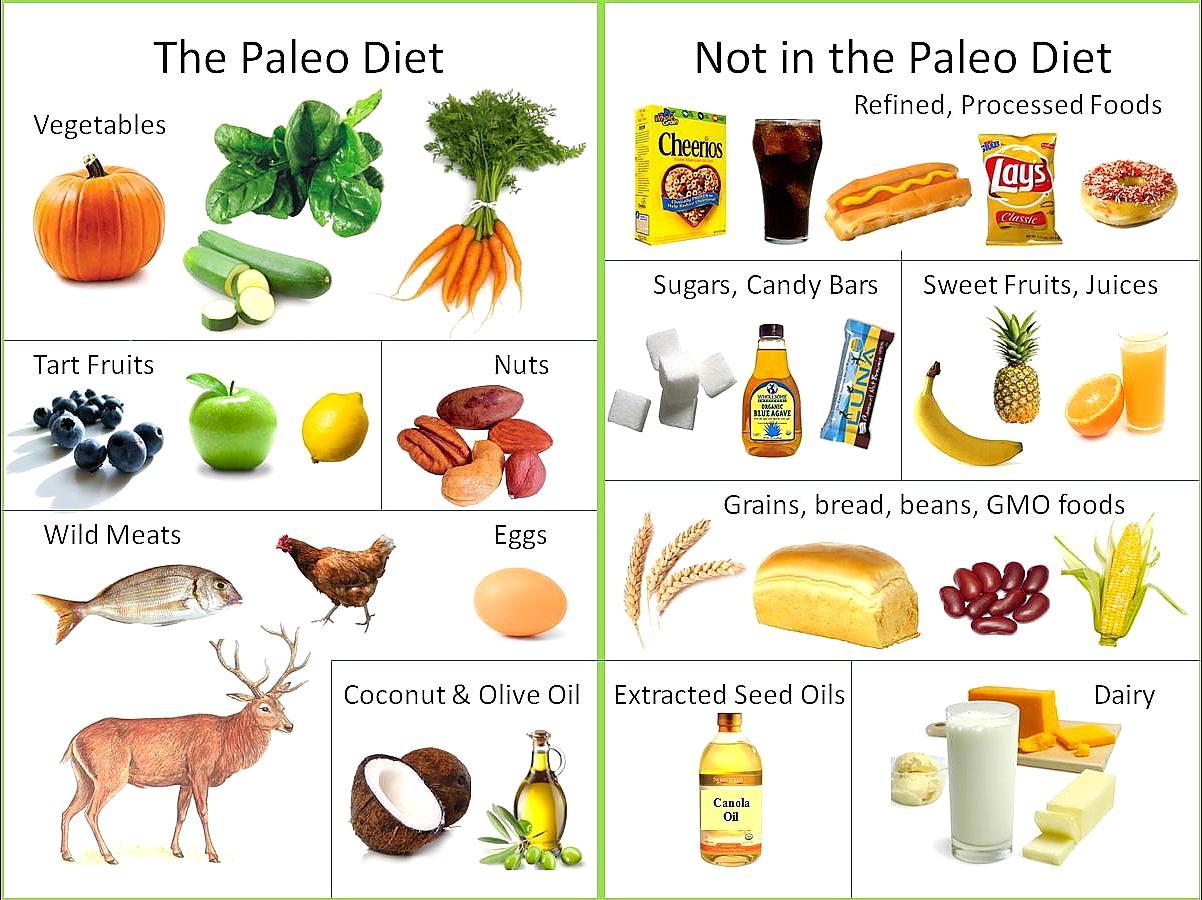
I have created a list of 4 groupings of foods that I consider processed. Obviously, if you are a Paleo purist, then you will not want to incorporate most of these, but if not, then I would suggest limiting your intake of these processed foods to not more than 3 servings per week and only if you are able to achieve your goal of optimal performance, health and longevity while doing so! There are literally hundreds of thousands of lists of processed foods out there, so rather than re-invent the wheel & add to the confusion, I’ve attempted to add general classifications of foods as well as rules that should tip you off that a particular food is “processed” significantly.
List of Processed Foods:
1) All breads, cereals & pastas - these “plant foods” are mostly GMO & are often milled (finely ground) and then pressed into shaped & cooked. In a nutshell, no pun intended, they are quite highly processed and far removed from their natural state. The only benefit that has been shown by this food group is that the fortification with folic acid has helped to decrease the incidence of neural tube defects and unfortunately, folic acid that is added in many countries has been shown to be associated with increases in colorectal cancer prevalence. This is NOT CAUSAL, but it should raise some flags. 
 
2) Sugar and sweeteners - these are highly refined products whether they have a “calorie value” or not. Both sugar and sweeteners have both been associated with weight gain. Furthermore, in my experience, clients who try to lose weight while using sweeteners are often unsuccessful or only successful for the short term. The way I would normally advise a client is that if they are currently using sugar, they need to wean down to nothing eventually. If they want to use a sweetener (artificial or natural) in the process of doing this over say a month or so, then that’s fine. But honestly, it only prolongs the inevitable, which is essentially a feeling of going cold turkey and cravings for carbs, that one must push through in order to reset the palate.
3) Liquid, pasteurized dairy - firstly, we are designed to drink human milk, and only when we are infants. Secondly, we are designed to drink raw milk, with enzyme and healthy bacterial activity, etc… Pasteurization destroys some pathogens but also destroys enzymes and kills off beneficial bacteria present as well as other micronutrients present in raw milk, including decreasing the solubility of the calcium present. This is not surprising due to the heat-lability of many proteins. Importantly, the diet of the milk producing cow needs to be considered. If that cow is consuming grass as it is designed to do, then the milk fats are healthy, whereas if the animal is consuming grains, which it is not designed to eat, then it is often sick and requires antibiotics, so the combination of pesticides, GMO grains and the pro inflammatory fats from the seed oils lead to dirty milk fats, which. If you can find a clean milk source raw or pasteurized, then use it if you like and don’t be afraid to go full fat dairy in that case. Of course, raw milk is currently illegal in North America, although, it’s the norm in other countries. I would never suggest that the current food system with mass produced dairy shift to raw production, as that would be crazy, however, if the food system shifts to more local producers (once again) and you are able to legally acquire it from a local farmer’s cow, then GO FOR IT! 
4) Fruits & Vegetable juices - specifically, I’m talking about store bought ones that are not labeled as raw. North American food safety protocols dictate that any fluid sold in stores that was once living has to be pasteurized including dairy and fruit & vegetable juices. The problem is that many of the protective benefits that are known about fruits and vegetables are believed to be eliminated be pastuerization due to the high heat. That would explain, why studies have shown that people who consume whole fruits and vegetables live longer & are healthier overall, but these benefits are not present in store bought juices because of the heating. 
I hope that you are able to use this list to help you achieve your goals!
In my opinion, it's not a conspiracy, it's just about making money & that includes the government.  Hopefully, one day, using research into human evolutionary physiology to elicit the response of incresaing consumption of foods, especially in light of the fact that they are destroying our health, will be illegal; but until then we have to stand on guard for ourselves and our families! Let’s not reward food companies for researching hunger triggers & using it against us!
Until next time! Remember to join the MERF movement (I MUST EAT REAL FOOD) & live and play life to the fullest!


Dan T

Tuesday, March 4, 2014

Metabolism and Mental Health

Hi everyone!

I'm back from some time away and am thrilled to announce the birth of our second daughter Kathryn!  Kudos to my beautiful wife who delivered her naturally and has been an amazing trooper plowing through breast feeding challenges! Let's just say, there's not a lot of sleep to go around in our home right now!

On to today's topic: Metabolism and Mental Health

I'm constantly disgusted by the preachings & teachings of many of my peers who blindly tow the economically motivated company line!  I'm speaking from both the head and the heart here!

Maybe it's not news to any of you reading this that there is something wrong with the current model of "healthy lifestyles" being touted by North American health care professionals, and I might add is still being taught as the gold standard by many of the educational institutions creating the next generation of said health care professionals!  The sad part of all this is that it's all based on poor research and worse yet, the last 2 decades of evidence has clearly shown that the food pyramids & groupings that are are NOT the answer they are touted to be and could actually be responsible for the obesity epidemic we are now facing.  Denise Minger has done an awesome job illustrating the facts as to why the USDA pyramids since the 1970's are a bad idea in her book Death by Food Pyramid.

In fact, the evidence absolutely opposes regular consumption of a high carb, low fat diet for any prolonged period of time, suggesting that the increased prevalence of mental health conditions over the last 50 years is due to the shifting of public consumption to a low fat, high carbohydrate diet vs. the more traditional, low carb, high fat one (Riby LM and Riby DM, 2013)!

I work at a mental health hospital and I see significant overlap between the mental health conditions that lead to hospitalization (i.e. Anxiety, Depression, Bipolar Disorder, Schizophrenia, Schizoaffective Disorder, Bipolar Affective Disorder, etc...) and the metabolic syndrome that has also become increasingly prevalent in our modern society.  FYI, Metabolic syndrome is defined by having 3 or more of the following conditions (as defined on the Diabetes Canada website):
  • High fasting blood glucose levels (5.6 mmol/L or higher)
  • High blood pressure (130/85 mm Hg or higher)
  • High level of triglycerides, a type of fat in your blood (1.7 mmol/L or higher)
  • Low levels of HDL, the “good” blood cholesterol (lower than 1.0 mmol/L in men or 1.3 mmol/L in women)
  • Abdominal obesity or too much fat around your waist [a waist circumference of greater than 102 cm (40 inches) in men and greater than 88 cm (35 inches) in women]
The more of these conditions you have, the higher your risks of developing type 2 diabetes and heart disease.  I can tell you from my experience, that at least 1-3 of these criteria are met by almost all the clients I come across in mental health.  It's far to common to be mere chance!  In fact, there is research outlining how these metabolic disturbances are linked with mental illness  (Carria G et al. 2014).  I think the best objective review of the evidence linking lifestyle habits with subsequent mental health issues and specifically cognitive decline is in Dr. David Perlmutter's book Grain Brain.

Furthermore, metabolic syndrome has been shown to be associated with poor memory and executive functioning in the elderly (Rouch I et al, 2014). I think we can safely assume that they are at the very least related & that nutrition and our consistent lifestyle habits are intimately involved in the pathophysiologies of these conditions.

One theory as to how this link occurs is through epigenetics or the altering of gene expression within individuals through methylation and other processes that turn on and off of various genes in the body.  Mark Sisson in his book The Primal Blueprint describes becoming a fat burning machine through altering our gene expression to do this.  Evidence is definitely starting to show that consistent lifestyle activities including diet, resistance and aerobic exercise and more do exactly this, alter gene expression of certain genes that favor fat burning and turn off others that would favor fat storage.  Epigenetic changes have been shown to occur in populations with Diabetes as well.  Interestingly, these gene expressions can be either health marker related (which can be tracked) or appetite-generating or suppressing to name a few, which can help explain how processed foods can stimulate people to over-consume them so frequently.  This phenomenon has been demonstrated clinically in a study that examined midlife diet and future phenotype expressions of Healthy Aging.


Regardless of mechanisms, there is definitely evidence that suggests we shouldn't be relying, let alone recommending high grain & refined carbohydrate intake (including grains) and that we shouldn't be restricting fat as much as we are now!

Specifically, there are a number of studies linking grain consumption to mental health issues including schizophrenia, depression and bipolar disorder.

 
I will leave you with one closing thought.  Most people know that the body is made of mostly water and if we don't get enough water daily, then we're on the road to problems; so once you understand that the brain is made of mostly fat, it shouldn't surprise you that if we don't consume adequate fat from our diet we are heading down the road to troubles with our brain!  Obviously, the types of fat matter, but this is another post in and of itself!


Anyway, I believe the time is coming for change & I am striving to advocate for it!  It will likely be many years until Government agencies climb aboard, so in the meantime, take control of your and your family's health!

Also, to any and all clinicians reading this, you should try the changes I'm talking about and advocate for change too!  To blindly move forward is irresponsible!


Till next time.  Have a great weekend & Take care!

Dan T

Thursday, August 8, 2013

Macronutrient Partitioning


Today, I want to chat briefly about the concept of Macronutrient Partitioning.  This refers to the breakdown (percentages of total calorie intakes) of carbohydrates, proteins and fats that we eat.  This is a general overview of the topic.  If you want more details, I would suggest that you check out this blog post on Robb Wolf's site and consider this ebook, which is very well researched and describes the topic in quite easy and practical terms, it's called carb backloading.

Why consider this? Simple. If how much we ate was the only driving force, then circulating hormone levels would not need to be considered.  This is NOT the case, and as you will see, macronutrient composition can alter hormonal circulatio, which then can determine how the macronutrients are utilized in the body.
All macronutrients are necessary for overall health, optimal performance and maximal longevity!  Here we look quickly at the role of each macronutrient in the body.


1)    Carbohydrate.  This category of nutrient is primarily used for energy.  Interestingly, the body has the ability to create carbohydrates given the right substrates and it can adapt to ketone bodies as fuel as well. This category includes mainly fibre, starch and sugar.  Fibre is primarily indigestible although some has been shown to be broken down by bacteria in the colon to release fatty acids for fuel.  Sugar is the simplest form of carbohydrate energy and is quickly absorbed and enters the blood as glucose.  Table sugar is actually sucrose which is a 50/50 blend of glucose bound to fructose molecule.  Fructose is preferentially stored in the liver and has been shown to lead to central adiposity.  The structure of glucose is shown to the right and is a primary fuel source for anaerobic activity (think high intensity glycolytic activities) via glycolysis and Kreb’s cycle and the electron transport chain one molecule of glucose directly creates a net of 2 ATP (energy molecules).  Glucose is blood sugar and entry of this into the blood stream stimulates secretion of insulin by the pancreas to regulate the circulating levels of this in the blood (CITE).  Most food labeling requires sugar be listed because of its rapid effect on blood sugar (and insulin) levels, however, a large amount of starch, although not as rapid-acting can definitely raise blood sugar (and insulin) for longer periods of time, which can change structure of adipose tissue to become more efficient at storing fat (vs. burning it).


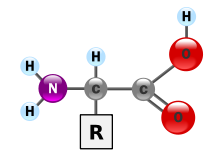
2)      Protein.  These are essential nutrients for the body, as they are building blocks of every tissue and are also used for energy sources.  Certain amino acids are essential as humans cannot synthesize them; all others can be made from the essential ones or by breaking down ingested proteins.  Conditional amino acids are not usually necessary except during times of stress, illness and specific inborn errors of metabolism.  By far the best biological availability and quality of proteins are found from animal sources.  Vegetarian options can suffice but are less than optimal.  Branched chain amino acids can be broken down into Acetyl-CoA and Succinyl CoA and enter Kreb’s cycle to produce energy as the body requires.


3)      Fat (Lipid).  This group includes fats, waxes, sterols, fat-soluble vitamins (A,D,E,K), mono-, di- and tri-glycerides, phospholipids and others.  Their main roles include energy storage, signaling and structural components of cell membranes.  Fats provide the richest source of energy for aerobic respiration, in which two carbon units of fatty acids are released and enter Kreb’s cycle and subsequently the electron transport chain to create energy (i.e. palmitate (C16:0) oxidation results in 106 ATP (13.25 ATP per 2-carbon chain)).


We need to understand the effects of each macronutrient profile on hormone secretion and subsequently on body composition.

A)     High carbohydrate, low fat: This is the USDA, HC norm and given today’s sources of carbohydrates (i.e. highly refined) has been associated with increases in insulin (to the point that the body can become resistant insulin resistant) and increased body fat particularly around the abdominal area (i.e. surrounding the visceral organs).  This is the most dangerous form of obesity and is directly associated with metabolic syndrome.

Elevated insulin:
-          Promotes fat storage and stops fat burning.
-          Promotes protein synthesis and decreases protein hydrolysis.
-          Therefore, it promotes growth of both fat & muscle tissue.
-          Can cross the blood brain barrier and when dysregulated it has been implicated in neurodegenerative diseases (i.e. Alzheimers) and psychiatric disorders (i.e. Schizophrenia).

B)      High fat, low carbohydrate: This is a ketogenic diet.  It can take up to 4 weeks for the body to adapt to ketone bodies as a primary fuel source.  This directly oxidizes and burns stored body fat.  Circulating insulin levels are low and therefore the body is shifted into fat burning mode away from fat storing mode.  Many different tweaks have been shown to improve fat burning ability and further hamper fat storing expression (i.e. exercise type & volume, timing and amount of carbohydrate intake, amount and type of protein intake, etc…). 

Therefore, it would seem that for optimal health, performance and longevity we would be best served by doing the following.

1)      Protein:
a.       Aim for around 1 g/ lbs of your ideal body weight daily
b.      Choose the best sources (animal vs. vegetable; grass fed vs. grain fed; consider fats included with protein) 

2)      Fats:
a.       Aim for 2 g/day of omega-3 (DHA + EPA combined).
b.      Not more than 8 g omega-6 per day.
c.       Get adequate monounsaturated fats (olive, avocado, hazelnut and macadamia nut and oils).
d.      Saturated fats (animal sources + coconut oil).  When carbohydrates are lower, these can be your primary fat sources.  These are the most stable for cooking and least oxidizable.

3)      Carbohydrates:
a.       Keep your total intake to around 100-150 g per day (depending on your body composition goal).
b.      Eliminate sugar and refined grains (i.e. all grains are refined).
c.       Consume your main carbohydrate loads post workout (especially strength training) up to 4 hours after and focus on starchy vegetable carbohydrates primarily. 
Citations