Showing posts with label Health Benefits. Show all posts

Thursday, April 17, 2014

How to Heal your Gut & WHY!!!


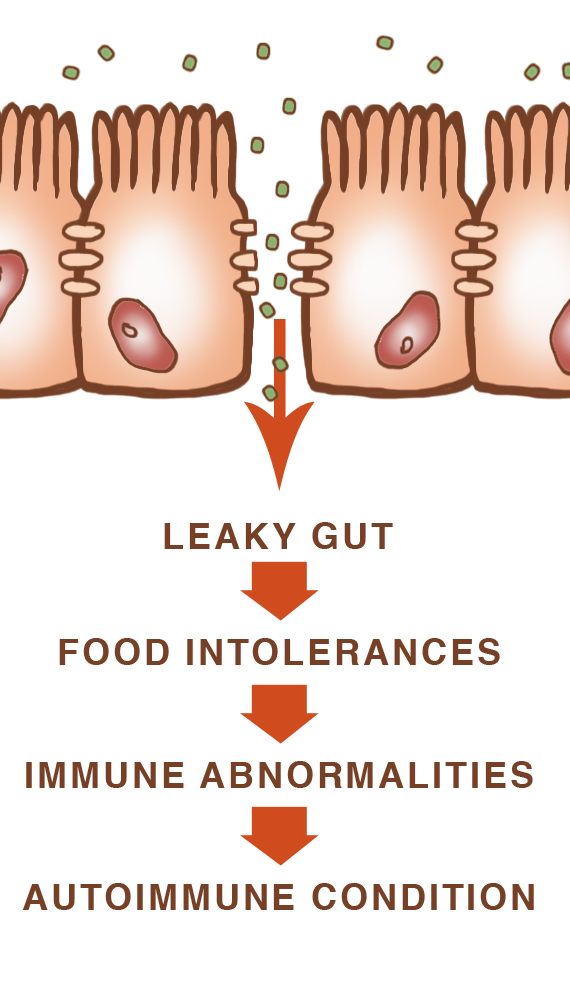
There is more and more research suggesting that a "leaky gut" could be the underlying cause of many diseases that face modern humans and that it can perpetuate inflammation in the body that wreaks havoc on general health & well-being.  In order to discuss this further, we need to start with some basics.
The basics:
1)                    The gut is essentially a long tube that forms a 
barrier to the outside word that selectively allows
penetration of essential nutrients, vitamins, etc… that
we need to survive and thrive. Many hormones are
secreted by the gut and interestingly these hormones
can have both peripheral and central effects.

2)                      As mothers approach birth their
vaginal population change in order to expose the baby
to as many good bacteria as possible - this is evidenced
by lower numbers of good bacteria in the guts of children
from c-section birth.

3)                      The gut houses approximately 100 trillion 
bacteria and this population of bacteria is around 10 times 
that amount of human cells present in our body (3.72 x10¹³)-
this number is so great that it's becoming more apparent that 
these bacteria might be able to stimulate us to do what they want
(i.e. Food cravings/choices like carbohydrate cravings or PICA).

4)                      Gut flora promote normal GI function, provide protection from infection, regulates metabolism & comprises more than 75% of our immune system.

Our modern lifestyles put us at risk for lowering the good bacteria normally colonizing our guts. Chris Kresser outlines these in his blog:

·            Antibiotics and other medications like birth control and NSAIDs
·            Diets high in refined carbohydrates, sugar and processed foods
·            Diets low in fermentable fibers
·            Dietary toxins like wheat and industrial seed oils that cause leaky gut
·            Chronic stress
·            Chronic infections
Antibiotic therapy will essentially hit the reset button on our good bacteria, indiscriminately wiping them out. It then becomes critical that we repopulate our gut with beneficial bacteria and that’s where I believe most of us including Western Medicine practitioners drop the ball.

If the intestinal barrier becomes permeable (leaky gut), large protein molecules escape into the bloodstream that normally would not have penetrated. Since these proteins are not recognized by the body, the body mounts an immune response to them and attacks them. Studies show that these attacks can play a role in the development of autoimmune diseases like Hashimoto’s, Type 1 Diabetes, Multiple Sclerosis and more. This immune response brought on by “leaky gut” has been shown to affect not only the gut itself, but also other organs including the skeletal system, pancreas, kidney, liver and the brain. Additionally, it’s been shown that “leaky gut” can manifest problems in the skin and heart.

What you can do to make sure your Gut stays healthy?
  1. Eliminate exposure to toxic substances in food.   Substances to try to avoid:
    • Cereal grains (especially refined flour)
    • Omega-6 industrial seed oils (corn, cottonseed, safflower, soybean, etc.)
    • Sugar (especially high-fructose corn syrup)
    • Processed soy (soy milk, soy protein, soy flour, etc.)
  2. FODMAPs intolerance – Fermentable Oligosaccharides, Disaccharides, Monosaccharides and Polyols – these are short-chain carbohydrates that are incompletely absorbed in the gut & can be easily fermented by Gut bacteria – the fermentation & osmosis caused by these undigested sugars cause major IBS symptoms such as gas, pain & diarrhea.
  3. Use Fermented foods including Sauerkraut, Kimchi & Kefir, etc…
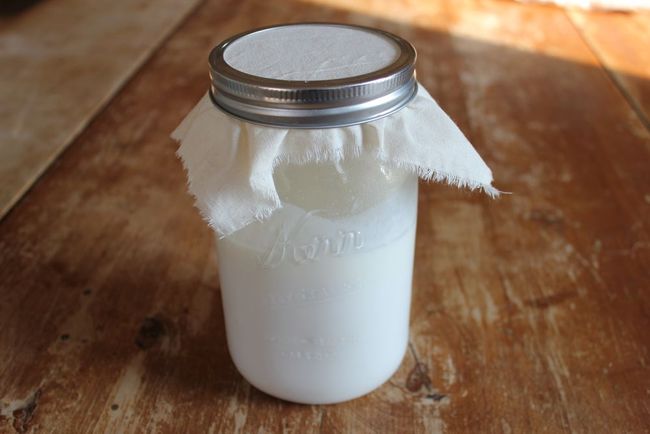
  4. Use high-quality, mutli-species probiotic supplement after antibiotic use.
  5. Manage your stress – Lots of research links gut health with emotional health & well-being!
    There's so much more that could be discussed, but I'll leave that to the experts.  If you're interested in having a full assessment done on the state of your gut health, track down a good functional medicine doctor in your area who can help you handle this.  Two sites that can help you are the Paleo physicians network & Primal Docs.
Until next time, make sure you're taking care of your gut & the Trillions of bacteria in it, and in turn, they will take care of you!

Dan T


Tuesday, March 25, 2014

REDEFINING WHY PART 2

Back in part 1 of my 2 part series on REDEFINING WHY, I attempted to define how I was able to be lean & athletic and remain that way through incredible stresses up to about 10 years ago and more importantly why this seems more difficult currently (at 41 years).  In part 2, I’m hoping to take you through the process of establishing my new WHYs and creating my specific goals for the next few months. This might take this post & one more.

Out of Date WHYs:

A) Be the leanest & fittest man I can be in order to attract the woman of my dreams.
B) Be as healthy & strong as I can be in case MS strikes me down, I will be in better position to maintain strength & function, etc…
C) Be Warrior Fit.
——————————————————————————
Why these WHYs are obsolete to me now:
A) I’ve met & married the woman of my dreams.
B) My mother passed away of complications relating to her (30 year bout with) MS 2 years ago & my priorities have shifted from avoiding disease, to earning a living & caring for my family.
C) I have not consistently practiced martial arts for the last decade and a half & I’m no longer as focused on preparation for spontaneous kumites.  
—————————————————————————————

Tony Robbins discusses 6 Master Steps to Change in a Powertalk session. I’ve adapted those here to walk you through how I developed my WHYs & how I intend to change my behaviors and start heading towards the attainment of my goals.  


6 Steps to Change:

1) Decide what DO you want & what might prevent you from getting it.
2) Create leverage (on yourself) to make the change a must.
3) Interrupt the current pattern.
A) Visualization
B) Experience
4) Implement the change using a positive behavior in place of the negative one (if applicable).
5) Condition the new behavior pattern, so it remains consistent.
A) Visualization
B) Role-Playing
6) Test the new behavior (pattern).
A) Visualization
B) Experience

Newer, more relevant WHYs:
A) Be the best living example of healthy, lean and strong man who is living the Paleo/Primal lifestyle for my family, friends, clients & the world.
B) Be a living example of what kind of change is possible through a well planned Paleo/Primal lifestyle for my family, friends, clients & the world.
C) Be the best example of health, fitness & longevity that I can be for my kids so they will be proud & strive to emulate my lifestyle.
D) Become as Warrior Fit as I can because I want to be able to defend my family at any moment, whatever comes.
These are WHYs that touch me more viscerally currently, so I know they’ll be more effective.

Now, if only this lifestyle could morph my face into Jason Statham's (at right) then my acting career would really take off!!
My Leverage:

For making the changes - I must achieve these changes because I have always been a man of my word. I am a healthy, lean & fit man who is a living example for those around him of what a healthy lifestyle can do. I now understand the importance of living a Paleo/Primal lifestyle & need to now implement these principles fully into my lifestyle in order be the living model of health, fitness & longevity! I need to become a living example of health, fitness & longevity & the power of the Paleo/Primal lifestyle in order to effect change at the policy level & to lead the charge amongst my fellow RDs.
I need to be a living example for my family and especially my kids in order for them to strive to emulate my lifestyle!  

Against not making the changes - If I don’t achieve my goals and successfully implement these lifestyle strategies then I will lose the respect of my friends & family and most importantly myself. My business & services will not thrive if I can’t be a living example of my lifestyle strategies. I will not be able to successfully effect changes at the policy level & amongst fellow RDs unless I am a living example of health, fitness & longevity!

My specific goals: Over the next 4 months, I will:
1) lose 4 inches off my waist (aiming for 1/2 inch every 2 weeks).
2) go to at least 2 CrossFit classes per week & will add in physical play activity (increasing weekly as weather here in Canada improves - horrible winter here this year.
3) consume a Paleo/Primal diet daily with on non-Gluten containing one cheat meal per week.
4) consume 100 g of carbohydrates or less daily.

These goals are mostly behavioral, meaning that I’m able to track my progress daily by seeing if I’m on track or not using a behavioral checklist. I discussed this in a previous post.
Although, this doesn’t guarantee success, since it can't remove the daily stressors of a newborn + a 2 year old, working full time, pursuing a PhD (due end of 2015), blogging & running my business; these goals should increase my odds for success because of the 6 keys to psychological success as reported in Prev Medicine in 2004 which were:
A) Using Proven Strategy - Paleo/Primal has worked for thousands, why NOT me!
B) Using all available resources - Quality food obtained & source identified, Kitchen & Pantry cleaned out, Cooking tools ready to rock.
C) Integrated Social Support Structure for behavior change - My wife is doing this with me + accountability to my readers = ultimate support system.
D) Self-Efficacy - my goals are broken down into smaller chunks to gain momentum & confidence.
E) Greater Outcome Expectations - 4 inches is significant.
F) Adequate time to form habit - I’m giving myself 4 months to fully embrace the lifestyle, but know that actual permanent change can take 1-2 years to become ingrained.

Well, I'm off & running (pun intended).

If you would like to do this also, feel free to share your step by step goals in the comments section!

Let’s rock this!

Take care,

Dan T

Friday, March 15, 2013

Quick tips to Optimize your Sleep.


I've had an inkling for years that sleep is important.  I even remember in my second year at University when I was on the Coed Cheerleading team and I loved it (obviously)!  But our practices would start at 10 pm and finish at midnight.  Needless to say, I missed a lot of 8:30 am classes that semester and it wasn't my best academic performance.  It's interesting, but I can have my nutrition running perfectly, my exercise booming & if my sleep is disrupted even for one or two nights, then my physical and mental performance suffers, also if something is going around, I will catch it if I'm sleep deprived, but I seem invincible if I'm well rested (in addition to good nutrition and exercise).  Most people I've counseled can relate!  Sleep is absolutely that important!

Sleep lack has been linked to metabolic derangement including obesity, metabolic syndrome and type 2 Diabetes.  Studies have also shown that inflammatory markers (i.e. cortisol and CRP) are elevated in people who don't get enough sleep.  Circadian rhythms regulate energy levels in your cells.  Additionally, the proteins involved in your circadian rhythm and metabolism are intrinsically linked and dependent on one another.  More recent evidence shows that people trying to burn fat/lose weight are stymied by poor sleep amount and quality.

Therefore, it's critical to get adequate sleep regularly.  Shift work has been associated with metabolic derangement, but obviously it's essential to some of our livelihoods and to society at this point, so if you are working shifts, which will eliminate a consistently timed routine, be sure to tweak the plan and find what tips help you achieve the deepest and most restful sleep possible within your lifestyle.  This can help to eliminate the risk that shift work places on our health.

Adequate sleep is defined for adults as 7-9 uninterrupted hours of restful sleep, however, each person's requirements will differ a bit (i.e. between 6 - 10 hours for most). Figure out what amount you function and are healthiest on and then make it a must to achieve that nightly!

Here are some quick tips to try to get the best quality sleep you can that I've learned over the years and from others who've written & researched the topic!  Try them tonight and see for yourself.

1) Sleep in complete darkness - blackout shades, drapes, cover clock radios avoid lights overnight.
2) Temperature in your bedroom at or below 70°F (21.1°C) - slightly cool is better.
3) Eliminate caffeine after 4 or 5 pm - this one is individual, but usually this is a good guideline for most.
4) Keep a journal beside your bed - if thoughts are keeping you up, try jotting them down with a quick plan of action or first step in the journal - this gives your mind permission to let go of the challenge and relax more readily.
5) Remove the TV - use your bedroom for sleeping primarily - eating or watching TV can confuse your brain that this area is not just for sleeping.  Yes, sex is fine as well.
6) Have a consistent ritual and start this at a fixed time every night - it will trigger your brain that sleep is imminent.
7) Try to avoid TV or video games or surfing the internet at least 1/2 hour - 1 hour before sleep - to totally relax your mind.
8) Keep electronic devices at least 6 feet away & ideally off overnight - Electromagnetic fields can disrupt circadian rhythms, this helps to mitigate this.
9) Try to avoid waking abruptly to loud alarms, etc... Ideally, a sunrise/sunset lamp or radio can help.  This will gradually increase the light in the room.  Interestingly, many of these also work to simulate sunset by gradually dimming their light over a preset time interval and I'll be honest, the I don't normally make it past 10 minutes of dimming and I'm ready to pass out!
10) Avoid exercising too close to bed time - other than meditation and relaxing, fluid Yoga movements which can enhance your calmness, intense exercise can actually stimulate your brain (like caffeine) and make it difficult for you to get to sleep.

If you're still having trouble a few other things you can try.

1) Discuss Melatonin with your doctor or Pharmacist.
2) Discuss Magnesium Citrate supplement before bed.
3) Meditation and light Yoga in the evening.

I hope these tips help you achieve the nocturnal bliss that we all deserve!

However, if a good night sleep is still eluding you, then be sure to discuss your situation and symptoms with your doctor or health professional as sometimes there could be underlying challenges that need to be addressed.

Remember that adequate sleep is critical to your goals of health and fat management!

Till next time!

Dietitian Dan T

Citations:

http://hprc-online.org/mind-tactics/sleep-optimization
http://robbwolf.com/2010/12/31/easy-ways-to-be-a-sleep-viking-in-2011/ 
http://www.sleepfoundation.org/article/how-sleep-works/how-much-sleep-do-we-really-need
http://articles.mercola.com/sites/articles/archive/2010/10/02/secrets-to-a-good-night-sleep.aspx
http://www.sciencedaily.com/releases/2013/03/130311151112.htm