Showing posts with label Psychology. Show all posts

Tuesday, May 6, 2014

We need to grow a pair!

Hi Everyone!

Yes. I'm walking the line of crudeness because I'm fed up!  Honestly, if I hear one more client say that it's okay that they're having the bag of chips because they are made with whole grains, I'm going to lose it! Honestly, how do you expect to achieve your goals if you're not willing to take out the garbage?

I'm not even sure who to be mad at any more!  I think we all have some culpability in this mess. Let's take a look at how each group plays a role in the obesity epidemic (both creating it and not helping to solve it).

Consumers/Clients

I think that the current food system is the way it is, because we (the consumers/clients) are a bunch of pushovers (not my first choice of words) who are so terrified to give up our vices like junky foods that we know are killing us that we choose to believe the BS claims that are made by food companies about said food items. For instance, these chips are okay because they are made from whole grains, or these cookies are organic.  I mean, PLEASE!

Message: We vote with our dollars, so don't buy processed food anymore & eventually there will be no market for it and similarly, the cost of good quality, real foods will decrease.

Government


The governments who supposedly police the food industry are absolutely culpable & they are made of educated people, so they are not stupid, therefore, I can only conclude that they are driven by money and secondary gain.  There is no other logical reason why in the face of clear evidence that TRANS fats kill humans by well known cardiovascular mechanisms, that they would impose a law to require that the amount of trans fats within a food product be shown on the label rather than make it illegal for the food company to use that item in the foods they make!  WHAT THE HECK!?  Think about it, governments make money on allowing poor quality foods into the market place & people get sick & then there's money to be made on the treatment of those illnesses (preventable ones).  So tell me then, where is the motivation to stop the cycle.  Nowhere for the governments regulators.

Message: Nobody has your back, other than you.  You need to take responsibility for your own lifestyle choices.  Don't you put your health, life & vitality in the hands of people with more to gain if you are sick than if you are healthy.

Nutrition Professionals

Practioners

The nutrition profession including Dietitians, Nutritionists (practitioners), Researchers & Professors.  All of which work very hard (I know I am one) to tow the company line (i.e. the food groups or pyramids or whatever), and most of them (this is where I consider myself different) do NOT question those concepts, they just keep teaching them.  This is where things become ugly for me.  I have a real Masters degree (thesis-based) & am pursuing a PhD all in Human Nutrition, so I believe I can read, interpret & critically appraise the research.  Unfortunately, many of the practitioners in the profession can not, do not or are not willing to do this.  This has lead to the promotion of the low fat diet for instance for the last fifty years or so.  You can see my post on some of my issues with the low fat diet and why that's a huge problem.  And the thing is, the evidence is out there to lead practitioners away from this but most are either too busy or just don't bother to review it.

Researchers

This brings us to researchers and professors. Researchers & Professors are, for the most part positions that are research driven and depend upon production & publications for their institution.  Unfortunately, Western medical research practices are based on supposed gold standards (i.e. randomized clinical trials) that really only work for pharmaceutical drugs, no coincidence that the majority of medical research is funded by these companies and that most medical decision trees produced for physicians and psychiatrists either end at or have as a major part of their treatment a pharmaceutical drug (that's for another rant, though).  I have many research colleagues and friends who consider the current state of nutrition research a joke.  I unfortunately have to agree with them.  They are mostly in the physical sciences like chemistry and physics, both of which I have minors in.  The major difference in my opinion is that those physical sciences have a unifying theory, which guides all research in that discipline to be in line with those principles.  In medical & health research it's more of a crap shoot of random trials & outcome measures.  Many will argue that there is no medical unifying theory, but that is crap!  The unified theory of biology should be and is EVOLUTION!  I talk about that unifying theory in a prior post here.  If nutrition researchers would simply ask does this study/finding/research question that I am proposing make sense in light of evolutionary biology, then this would prevent millions of dollars from being wasted on stupid projects that provide zero insights into human health & disease.  And by the way, food companies are also spending billions of dollars to fund research projects.


Professors

Professorships are research-dependent and therefore all of the research criticisms discussed above apply.  Additionally, however, most of the time there is a regulating body (i.e. college or other guiding body) that dictates the competencies and content that are required to become a certified health professional.  Unfortunately, these practice recommendations are based on the assumption that the last fifty plus years of lifestyle based research has been sound and that the principles of many of the early low fat proponents was correct (which is now known to be false).  Yet, each new generation of nutrition, health and medical practitioner are taught the same strategies to prevent and manage/treat cardiovascular disease, diabetes, kidney disease, etc... without any regard to human evolutionary biology.  This is absolutely a critical mistake and the most frustrating part of all is that this is a relatively easy one to fix.

Message: You can't always put your faith in credentials.  Just because someone has a certification or degree, doesn't mean they're good at what they do or even know about or truly understand the current research, it just means they were able to complete coursework & do well on a test. I am a certified health professional, I have many colleagues and only some of them truly understand the current research. Be sure to do your own research and then discuss it with your certified health professional.  If they are completely closed, fire them & find another who is more open and versed on the research.

So. What the heck can we do about it?

It's an easy fix, but not a quick one.  I learned everything I could (and still am by the way) about evolutionary biology and then use these principles to filter all of the latest research findings through and see which ones still make sense or try to figure how they might fit.  Also, I use these evolutionary principles to adjust my prevention and treatment protocols so that they are more in line with evolutionary biology.  There are many non-certified Western and Alternative medical practitioners that have been doing this for some time, I applaud the honest ones for doing this.  I think it's time that we in certified Western medicine caught up!

Message: It's through this practice of selecting professionals that are more open-minded & versed on the literature, that health professionals will ultimately expand their knowledge and be accountable to you, the client.  Also, we have to stop always citing old studies as the basis for our current treatment practice, research question or curriculum and seriously attempt to integrate the evolutionary biology approach.


Thanks for reading my rant!  I hope you found it useful as well as entertaining!  Honestly, I feel better for having wrote this, so thanks for giving me an audience.

Have a great week!

Take care,

Dan T

Tuesday, March 4, 2014

Metabolism and Mental Health

Hi everyone!

I'm back from some time away and am thrilled to announce the birth of our second daughter Kathryn!  Kudos to my beautiful wife who delivered her naturally and has been an amazing trooper plowing through breast feeding challenges! Let's just say, there's not a lot of sleep to go around in our home right now!

On to today's topic: Metabolism and Mental Health

I'm constantly disgusted by the preachings & teachings of many of my peers who blindly tow the economically motivated company line!  I'm speaking from both the head and the heart here!

Maybe it's not news to any of you reading this that there is something wrong with the current model of "healthy lifestyles" being touted by North American health care professionals, and I might add is still being taught as the gold standard by many of the educational institutions creating the next generation of said health care professionals!  The sad part of all this is that it's all based on poor research and worse yet, the last 2 decades of evidence has clearly shown that the food pyramids & groupings that are are NOT the answer they are touted to be and could actually be responsible for the obesity epidemic we are now facing.  Denise Minger has done an awesome job illustrating the facts as to why the USDA pyramids since the 1970's are a bad idea in her book Death by Food Pyramid.

In fact, the evidence absolutely opposes regular consumption of a high carb, low fat diet for any prolonged period of time, suggesting that the increased prevalence of mental health conditions over the last 50 years is due to the shifting of public consumption to a low fat, high carbohydrate diet vs. the more traditional, low carb, high fat one (Riby LM and Riby DM, 2013)!

I work at a mental health hospital and I see significant overlap between the mental health conditions that lead to hospitalization (i.e. Anxiety, Depression, Bipolar Disorder, Schizophrenia, Schizoaffective Disorder, Bipolar Affective Disorder, etc...) and the metabolic syndrome that has also become increasingly prevalent in our modern society.  FYI, Metabolic syndrome is defined by having 3 or more of the following conditions (as defined on the Diabetes Canada website):
  • High fasting blood glucose levels (5.6 mmol/L or higher)
  • High blood pressure (130/85 mm Hg or higher)
  • High level of triglycerides, a type of fat in your blood (1.7 mmol/L or higher)
  • Low levels of HDL, the “good” blood cholesterol (lower than 1.0 mmol/L in men or 1.3 mmol/L in women)
  • Abdominal obesity or too much fat around your waist [a waist circumference of greater than 102 cm (40 inches) in men and greater than 88 cm (35 inches) in women]
The more of these conditions you have, the higher your risks of developing type 2 diabetes and heart disease.  I can tell you from my experience, that at least 1-3 of these criteria are met by almost all the clients I come across in mental health.  It's far to common to be mere chance!  In fact, there is research outlining how these metabolic disturbances are linked with mental illness  (Carria G et al. 2014).  I think the best objective review of the evidence linking lifestyle habits with subsequent mental health issues and specifically cognitive decline is in Dr. David Perlmutter's book Grain Brain.

Furthermore, metabolic syndrome has been shown to be associated with poor memory and executive functioning in the elderly (Rouch I et al, 2014). I think we can safely assume that they are at the very least related & that nutrition and our consistent lifestyle habits are intimately involved in the pathophysiologies of these conditions.

One theory as to how this link occurs is through epigenetics or the altering of gene expression within individuals through methylation and other processes that turn on and off of various genes in the body.  Mark Sisson in his book The Primal Blueprint describes becoming a fat burning machine through altering our gene expression to do this.  Evidence is definitely starting to show that consistent lifestyle activities including diet, resistance and aerobic exercise and more do exactly this, alter gene expression of certain genes that favor fat burning and turn off others that would favor fat storage.  Epigenetic changes have been shown to occur in populations with Diabetes as well.  Interestingly, these gene expressions can be either health marker related (which can be tracked) or appetite-generating or suppressing to name a few, which can help explain how processed foods can stimulate people to over-consume them so frequently.  This phenomenon has been demonstrated clinically in a study that examined midlife diet and future phenotype expressions of Healthy Aging.


Regardless of mechanisms, there is definitely evidence that suggests we shouldn't be relying, let alone recommending high grain & refined carbohydrate intake (including grains) and that we shouldn't be restricting fat as much as we are now!

Specifically, there are a number of studies linking grain consumption to mental health issues including schizophrenia, depression and bipolar disorder.

 
I will leave you with one closing thought.  Most people know that the body is made of mostly water and if we don't get enough water daily, then we're on the road to problems; so once you understand that the brain is made of mostly fat, it shouldn't surprise you that if we don't consume adequate fat from our diet we are heading down the road to troubles with our brain!  Obviously, the types of fat matter, but this is another post in and of itself!


Anyway, I believe the time is coming for change & I am striving to advocate for it!  It will likely be many years until Government agencies climb aboard, so in the meantime, take control of your and your family's health!

Also, to any and all clinicians reading this, you should try the changes I'm talking about and advocate for change too!  To blindly move forward is irresponsible!


Till next time.  Have a great weekend & Take care!

Dan T

Monday, January 13, 2014

Time to buckle down...for me too!

Hi everyone!

It's been quite some time since my last post!  I was actively preparing for my Ph.D. Comprehensive exam over the last year and a half or so & I had to fly to Montreal twice for my Oral presentation & my Oral exam in November & December of 2013.  I passed both, so now I'm officially a Ph.D. candidate!! Apparently, I was breaking the law calling myself that before!

My wife & I are expecting our second bundle of joy (in February 2014) & our beautiful girl Keira is growing like a weed (2 years old later this month) & developing so many skills it's tough to keep track.

Anyway, given my PhD prep schedule & the fact that up until about one month ago, I have been commuting 2 hours per day for work (for five years), and for the last 2 years (with PhD preparations & spending time with my expanding family) I haven't been formally active at all, my health & conditioning has definitely suffered a major blow! 

Last month right before I flew to Montreal for my Oral exam, we moved much closer to my work.  Now my commute is 20 min each way vs. 1 hour each way.  My goal is to spend some of this extra time with my family & some on bettering myself!!

However, I've been developing my plan for the last little while, since I knew that things would be different after the holidays. Today I set my plan in motion. I did my first (in quite sometime) Cross Fit class at a local box.  They seem quite good, they will push you, but also comprehend scaling, which is critical for injury prevention!


I will update you on how this going & post my before & after metrics & photos as things unfold.  In the meantime, I will leave you with this motivational poster I stumbled across.  ENJOY & Go out and get your goal!

I would like to invite you to share your commitments or success stories of change so that we can put them on internet (officially) & then of course, be accountable to them later.


Feel free to share your story or commitment by commenting on this post!  You can also share it via link if you have it on a blog already.


Have a great week!

Catch phrase coming soon!

Dan T

Friday, July 19, 2013

The Most Common Lifestyle Goals and Strategies and tips to achieve them


Today, I want to chat anecdotally about two common lifestyle goals that I encounter regularly and the specific strategies that seem to work best to help clients achieve them.

I) Leaning out/Burning fat/Losing weight

It is critical for health & longevity not to have too much excess weight on your frame & especially around your mid-section (abdominal/visceral adiposity). Of course, weight is not the major consideration, we need to focus on our body composition vs. just weight, since muscle carries more water and therefore weighs more vs. fat.  Of course location of fat accumulation is also important. Specifically, fat deposited on the hips & butt although confidence shaking is not a health threat vs. that deposited around the liver and other organs within the omentum, which is often reflected in abdominal circumference and importantly is beneath the abdominal muscles.  This is metabolically active fat and has been shown to secrete estrogen and other hormones that stimulate further fat deposition & gum up normal metabolic functioning (i.e. fat infiltration into the liver causing insulin resistance, elevated portal blood pressure, etc…).  Obviously, eliminating this if you have it is the first and most important goal.  Often ideal body composition numbers are stated as 8-13% body fat for men and 11-18 % body fat for women.

Specific Strategies that seem to work:

1)      Nutrition:
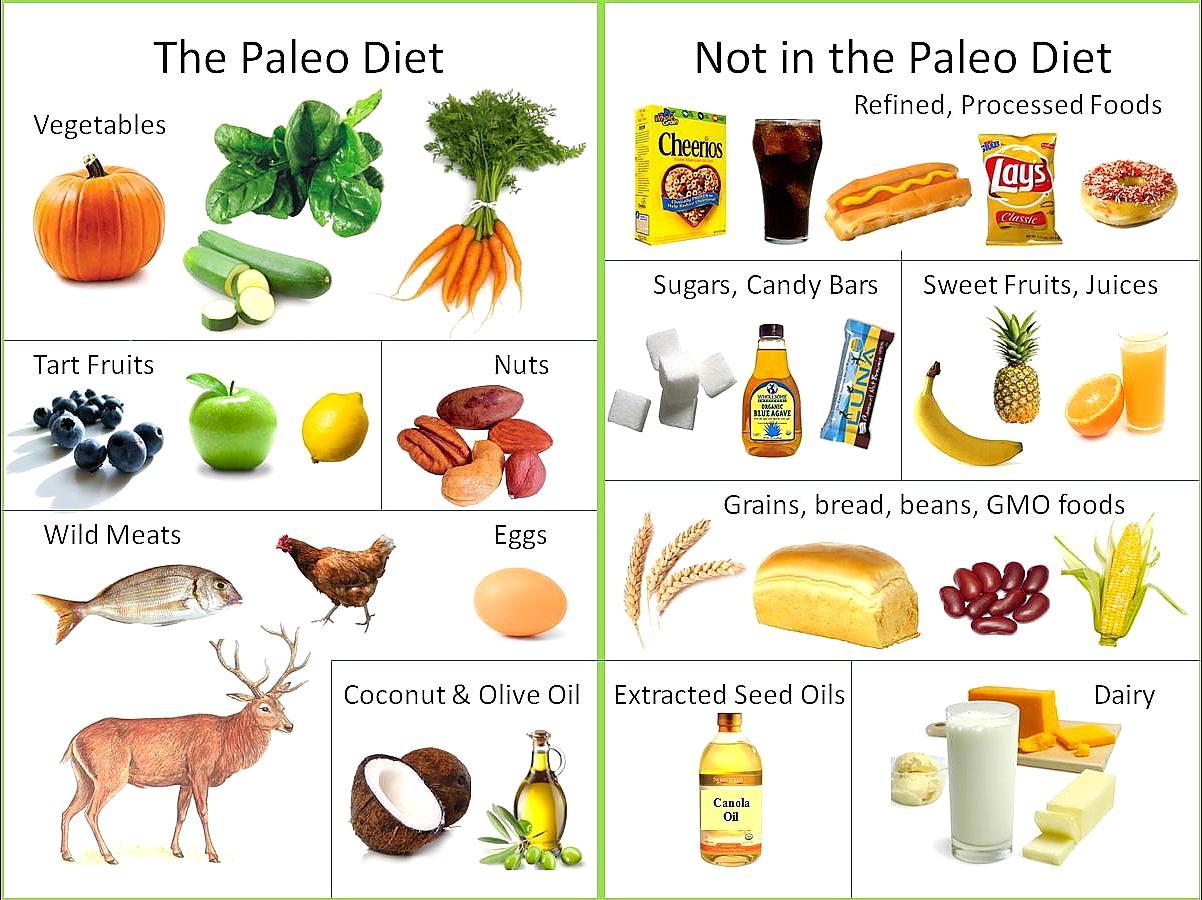
-          Try eliminating grains, legumes & dairy for 60 days and see what happens.
-          Limit your intake of available (non-fiber) carbohydrates to around 100 g/day or less.
-          Focus on filling half your plate with low carb vegetables (green leafy, onions, mushrooms, cruciferous, etc…).
-          If you have metabolic derangement (& central adiposity), limit your fruit intake to less than 2 servings per day.
-          Consume most of your available carbohydrates as safe starches (i.e. sweet potatoes, yams, potatoes, squash, etc…) and do so in the 4 hours post workout for that day.
-          Adequate fluid daily – 3-5 L/day on average, but will vary.  Use urine color as a guide – optimal = light yellow.
-     Adequate & high quality proteins (grass fed meats, oily fish, free range poultry & eggs). 
-     Adequate & mostly anti-inflammatory fats (i.e. avocado, olives, coconuts, macadamia and hazelnuts and their oils & butters).

Biggest mistake: People tend to over restrict their calories and that leads to burnout & the body activating famine resistance genes that act to re-establish homeostasis (balance). This is often described as lethargy, insatiable hunger and of course irritability.

2)      Exercise:
-          Every day do something (low intensity steady state) LISS – could be walking, jogging or hiking. Depends on your usual daily level of activity.
-          2-3 times per week – Lift Heavy Things – resistance training including weights, resistance bands, body weight activities to stimulate muscle growth, retention and bone reformation. This will help maintain your muscle mass.
-          Once per week – Move as fast as you can, using High Intensity Interval Training (HIIT) – Ex. wind sprints – lightly walk/jog for about 5 minutes to warm up, then HIIT IT! Sprint as fast as you can for 10-20 seconds. Stop and walk (slow) for 2 minutes then REPEAT x 4-6 times. In total you will perform very intense work output but for only about 50-120 seconds total, split over a total workout time of 15 minutes.

Biggest mistake: It’s a tie between two.  One, people tend to overdo their volume and intensity of exercise and as a result trigger high cortisol levels that can actually keep us fat! Two, people will ingest high carbohydrate (sugary) post workout supplements to “replenish” after workouts, but we normally don’t need high sugar, so all this does is increase insulin levels, which stop fat burning!

3)      Psychology:
-          Making goal public – sharing with like-minded supportive individuals = greatest odds for success.
-          Plan out your behaviors on a weekly & daily basis in a check list format & check off each behavior, as you accomplish it each day.  This essentially provides a step by step map to your goal!

II) Athletic Performance

Many people are more motivated by competition and achieving a performance based goal vs. leaning out, etc…  This could be a new PR on different Crossfit or Power or Olympic lifting maneuvers or just participating in competitive sports. For most strength, power and endurance based activities a lower carbohydrate nutrition protocol (i.e. ketosis) is adequate, but performance is often boosted or optimized in these events by increasing carbohydrate intake above ketosis levels (>100g).  And in the case of glycolytically demanding sports (i.e. Crossfit, Military training, MMA, Boxing, etc…), it is absolutely necessary to provide adequate carbohydrates, especially in the post workout window (i.e. around 4 hours or so) to replace used up muscle glycogen, which is required for these specific activities.  

Specific Strategies that seem to work:

1)      Nutrition (relative to Leaning out section):
-          Try eliminating grains, legumes & dairy for 60 days and see what happens.
-          Eat carbohydrate amounts for your exercise volume and type.  For strength and endurance activities you can continue your intake of available (non-fiber) carbohydrates around 100 g/day, but for glycolytically demanding activities (listed above), you might need to increase to between 100 – 150 g /day.
-          Focus on filling half your plate with low carb vegetables (green leafy, onions, mushrooms, cruciferous, etc…).
-          If you have metabolic derangement (& central adiposity), limit your fruit intake to less than 2 servings per day.
-          Consume most of your available carbohydrates as safe starches (i.e. sweet potatoes, yams, potatoes, squash, etc…) and do so in the 4 hours post workout for that day.
-          Adequate fluid daily – 3-5 L/day on average, but will vary.  Use urine color as a guide – optimal = light yellow.
-     Adequate & high quality proteins (grass fed meats, oily fish, free range poultry & eggs).
-     Adequate & mostly anti-inflammatory fats (i.e. avocado, olives, coconuts, macadamia and hazelnuts and their oils & butters). 

Biggest mistake: People tend to over restrict their calories and their carbs & this leads to burnout and inhibits performance.

2)      Exercise:
-          Since you are performance based, your activity will be contributing to your sport performance. Discuss with a certified, intelligent & competent trainer what exercises will best achieve this!
-          You will undoubtedly have a high volume of intense work in the area of your sport, so possibly work some strength training & low intensity work outside of that to minimize the stress on your body.  Again, discuss with a certified, intelligent & competent trainer.

Biggest mistake: Over training over and above a sports training protocol. This leads to either burnout, stress out or injury more often than not.

3)      Psychology:
-          Be aware of dependency on wins for self-confidence – be sure to be okay with achieving a new personal best vs. beating everyone else in your group, etc… This frees you from stress hormone cascades that occur from not winning.
-          Get counsel from a certified and competent trainer with knowledge of your sport who can advise you as to psychological principles that can help give you an edge to be able to achieve your specific goals.

Till next time!  Whatever your goal is, hopefully these tips will help you achieve it!

Dietitian Dan T