Hi everyone,
A quick disclaimer to go with my post. I hope you find the information useful!
Remember, I
do not know your case at all. Be sure to discuss this with your doctor
or a health care provider who does know your case well, before
attempting. I am providing you with information to better understand a
nutrition protocol and how it might be useful to you, but am in no way
suggesting you do it. As such, I am not responsible if you do try this
unsupervised and bugger yourself up. Use your common sense, and
discuss this with someone who can help you do it safely.
As a registered dietitian, we are often taught that Atkins was a loon & that low carb diets are the bane of health & longevity. Well, after delving into the research & examining this topic for myself, and also experimenting with this practice personally (n=1 experiment) I can say, that they are definitely NOT the devil & they might actually possess some incredible therapeutic benefit! Read below & draw your own conclusions.
What is Ketosis
State of
elevated levels of ketone bodies throughout the body (including the
blood). These are formed by ketogenesis
when liver glycogen stores are depleted. Two major ketone bodies used for
energy are acetoacetate and β-hydroxybutyrate. Both are readily used by most of the tissues of the body except the heart & one portion of the brain. Interestingly, humans have evolved a method of creating glucose from broken down proteins (certain amino acids). While semantic debate rages on about why we evolved this capability, the fact is we have it and as a result, we really don't need much direct carbohydrate intake to live healthfully! The only caveat I will add now is that if you have to perform physically demanding and performance dependent activities on a regular basis, then you will need to add more carbohydrates (complex, safe starches are excellent for this) in the 3-4 hours post activity.
Common Concerns:
As a health professional, the most common concerns that I've read about, heard or even stated as fact myself (incorrectly, I might add) are here:
1)
Ketosis is harmful – The fact is if glucose
cannot be broken down (i.e. insufficient insulin levels) then the body
metabolizes fat, which will increase blood ketone levels leading to
ketosis. The ketoacidosis situation
arises when these ketone bodies continue to elevate due to the complete lack of
insulin and the fact that sugar is being consumed and remaining unused in the
blood stream. This leads to high levels
of ketone bodies and high levels of blood glucose concomitantly, which decreases
the pH of the blood (increases acidity) leading to metabolic acidosis in which
enzymes, tissues and organs can fail leading to coma and subsequently
death. Obviously, that is something that
we would all like to avoid like.
However, it’s critical we understand that an otherwise healthy person
who is making insulin readily can undertake a well-designed low carbohydrate
diet safely. They will be in ketosis,
which can be extremely beneficial.
2) High Protein diets and kidney failure – it’s believed that higher
protein consumption increases risk of kidney damage. This has been disproven by several
well-designed long term studies. The only caution I would mention is that
people suffering from failing kidney function already or those at high risk for
kidney failure (i.e. long term poorly controlled diabetes) or gout might
require limited protein intakes.
Otherwise, there is no known upper safe limit for protein intake.
3) Cognitive burnout - My Brain & nerves needs sugar as a fuel –
This is true, to an extent. Parts of the brain can
burn only sugar as fuel, however, the body can create sugar via gluconeogenesis
(in the liver) from proteins, which is one of the reasons why protein intakes
are elevated in low carbohydrate diets. Furthermore, the only studies that I've seen linking low carb intake to poor cognitive performance vs. high carb intake were in subjects that were NOT fat-adapted. In other words they did not undergo the 2-4 week adaptation/detox phase in which their body decreases carb burning pathways & upregulated fat burning ones, making us efficient at fat burning. Anyone, detoxing would not perform well on cognitive test.
4) High fat diets and high cholesterol – It’s still (erroneously) believed
that a high fat diet leads to cholesterol elevation. This has been disproven by several
well-designed studies and it has been established that refined dietary
carbohydrate is far more likely to lead to metabolic syndrome and
dysregulations in cholesterol that significantly increase risk for heart attack or
stroke. Furthermore, overt blood
cholesterol values are less meaningful than once believed. More telling tests including LDL-particle
size, which unfortunately is not routinely available, is one of the best to
determine cardiovascular risk vs. LDL number.
5) Low carb diets will increase risk for Cancers due to low fruit & vegetable intake – It’s (erroneously) believed that high
animal protein, high fat diets increase risk for cancer. There are two active hypotheses. The first is that animal protein causes cancer. This comes from studies that showed an association between animal protein intake and cancers, however, on further examination, the data analysis is suspect. For example, whenever pizza (with peperoni) was consumed all the calories were counted as animal protein and including lunch and cured meats as animal protein sources would definitely skewed results, especially in light of the huge body of evidence linking sodium nitrates and the like to stomach & bowel cancers (strongly). The second hypothesis implicates lack of vegetable
matter in this; however, it is carbohydrates that are being restricted, not
vegetable matter. Whenever I am counseling someone on a ketogenic protocol, I recommend that
people consume low carb vegetables with every meal and use fruit
sparingly. In the end, clients consuming
a low carb paleo diet often consume more plant matter compared with the usual
North American diet. In fact, dietary
carbohydrate especially from refined grains, sugars, etc... and excess fat mass have
been implicated in causation of many cancers.
Even more research, has demonstrated a treatment enhancing effect by using a ketogenic diet. Specifically, the theory is that a tumor uses glucose as its primary fuel source, and is
unable to utilize ketone bodies, whereas humans can adapt to ketone
bodies. There are many studies showing that a ketogenic diet during cancer treatment helps to eliminate
tumors faster and more effectively than traditional treatments alone, likely
because it starves the tumor. Specifically, most of the research on ketogenic diets improving cancer outcomes have examined endothelial derived cancers (i.e. bowel and breast, etc...).
What are the Benefits of a Low
Carbohydrate diet?
1)
Decreased hunger - more insulin stability and presence of ketone bodies both act to increase satiety.
2)
Long-duration fuel supply - decreased dependency
on quick burning sugars allows for longer lasting, more stable energy levels.
3)
Decreased exposure to highly toxic refined
grains & other processed foods - the processing used in preparations of grain products, juices & sugars, etc... act to increase our exposure to many chemicals the effects of which in the long term are unknown.
4)
Reduction of over-stimulation to the brain (i.e.
with seizure disorders, depression, bipolar disorder and schizophrenia) - this has been examined for years in children with epilepsy, but more recent studies have found success in subjects with other brain disorders. This is likely due to reduction of readily available, fast burning sugar, so the brain is better able to regulate the use of energy even in hyperactive firing areas.
Okay, I would like to give this a try, how the hell do I do it?
How do I achieve
Ketosis?
In order to enter into ketosis, the average person needs to consume < 100 g of total carbohydrates per day. Metabolic individuality might mean that some
will enter ketosis slightly above or below that, but that seems to be a
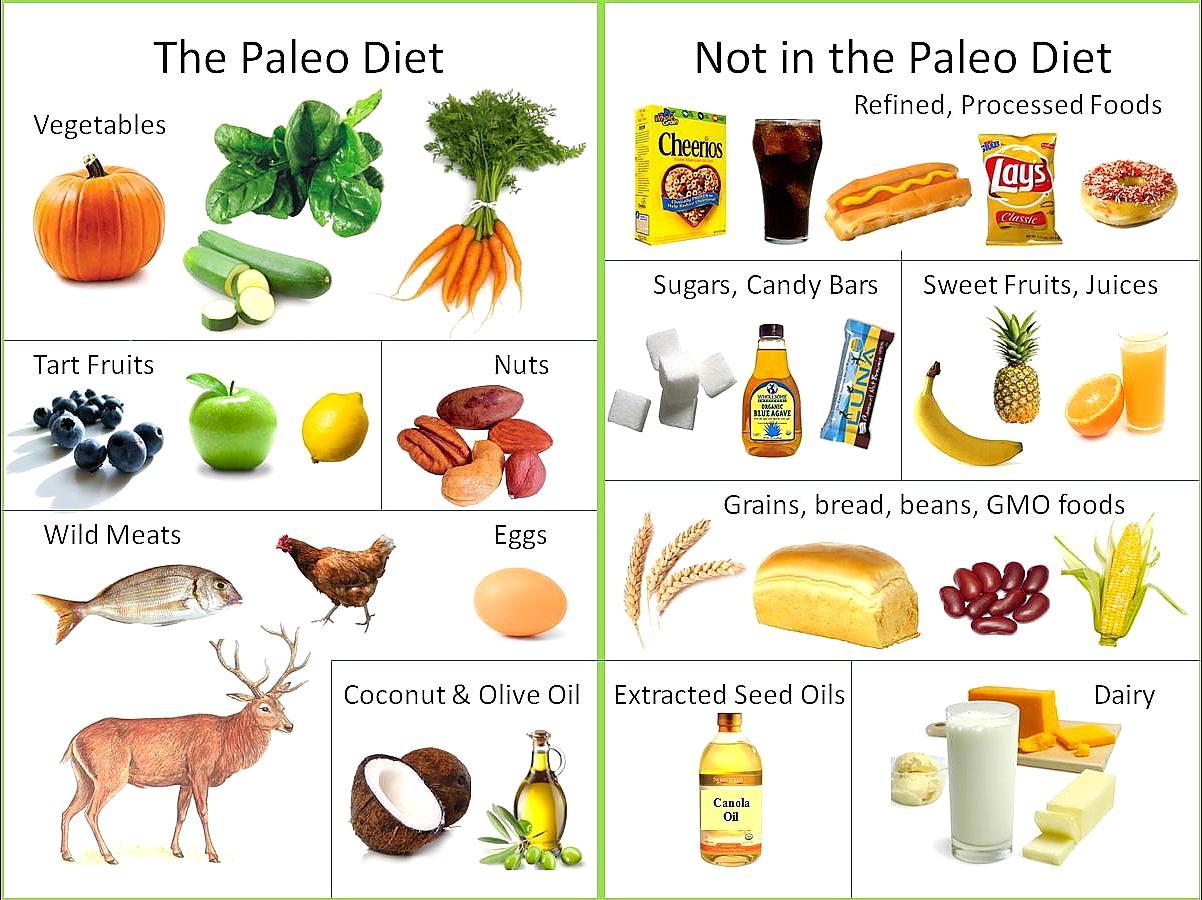
reasonable goal amount for carb intake to be below for ketosis. This is carbohydrates from all sources, but I strongly suggest eliminating highly refined carbohydrates (I.e. sugars) and grain
products (especially wheat), and possibly even dairy for at least 60 days to see how you look, feel and perform (depending on your specific individual goal) and then reintroduce as
tolerated, if desired. This could
provide many further benefits in addition to ketosis. This means that your only sources of carbohdyrates for those 60 days will be low carb vegetables, starchy vegetables and limited whole fruits. Many of you might recognize this as a low carb paleo diet.
Why is Ketosis safe
for most of us?
Human evolved over millions of years before agriculture
(only about 10,000 years old) with a cyclical pattern of eating, often famines
followed by feasts, etc… Furthermore, there was only a brief time relative to
today that fruits & vegetables would have been plentiful (i.e. late
spring/summer & fall). This means
that over-winter and even into spring there would have been limited amounts of
carbohydrates available at all. We had
to adapt to a long lasting fuel source to allow us to survive over winter. This is likely why fat evolved and
metabolically why we can adapt to ketone bodies as a fuel.
Interestingly,
even today there are many documented cases of human societies today that exist
in a long-term ketogenic state. After a 2 to 4 week period of adaptation, human
physical endurance is not affected by ketosis, according to studies - meaning
that we do not necessarily need a high carbohydrate intake in order to replace
depleted glycogen stores for exercise. This makes the argument more compelling that;
in fact, we are designed to thrive at certain levels of ketosis.
Remember
it’s a total lifestyle that’s critical. So in addition to the diet alterations, be sure to get the rest of your lifestyle in order.
- Get adequate and the best
quality sleep you can nightly;
- Activity:
Be sure to do some (lower intensity) exercise every day and then twice per week
add in lifting heavier things (i.e. weights, bands, body weight), and once per
week move as fast as you can (i.e. wind sprints).
Great sources for more information on activity for health, performance & longevity are
Robb Wolf's site &
Mark Sisson's site. They also have some great info on primal/paleo eating as well.
So here's the protocol, I'm doing & that I have recommended that I see clients get the most out of.
Nutrition Strategies for a Ketogenic Diet
- Decrease your total carbohydrate intake to less
than 100 g daily.
- Avoid highly refined carbohydrates (i.e. sugar
and refined flours) because these will spike insulin and that will stop fat
burning & stimulate fat storage.
- Exclude all grain products (especially wheat)
for at least 60 days.
- Consume adequate vegetable matter.
- Limit yourself to less than 2 fruit servings per
day.
- Avoid fruit or vegetable juices.
- Consume at least half your plate of low carb
vegetables at each meal on average. This
provides at least 6 servings of highly nutrient dense vegetable matter per day.
- Include safe starches: potatoes (especially
sweet potatoes, and other starchy tubers – these will provide carbohydrates to
be readily converted into glucose by the body, but also come very complex
starches that can be utilized by healthy gut flora (i.e. pre-biotics).
- Consume adequate protein.
- Depending on your individual needs, you will
need differing levels of protein – usually 35% of total calories are good.
- Choose either grass fed, humanely raised animals
or if you use conventionally raised then be sure to consume high omega 3
animals at least 3-4 times per week (i.e. oily fish).
- Don’t fear FAT! You will be consuming around 50% of your
calories from fat. This is the most
energy dense nutrient source, but it also has many health benefits. In a ketogenic adapted person, this becomes
your main fuel supply.
- Choose mostly anti-inflammatory fats –
specifically foods high in omega-3 fats (animal sources like oily fish,
pastured meats, cream & butter) and monounsaturated fats (like pastured
meats, cream & butter, olives, avocadoes and their oils) and also saturated
fats (pastured animal fats and coconuts and their milk (full-fat) and
oil). These are all highly
anti-inflammatory.
- Use nuts sparingly due to high omega 6
fats. Macadamia and Hazel nuts
(philberts) have lower omega 6 content vs. monounsaturated fats.
- Adequate hydration – You will need to consume
adequate water per day to ensure that you allow for adequate removal of
byproducts associated with protein breakdown & ketosis. Although some guidelines suggest 3-5 L per day, the best indicator is that your urine color (see chart below)

So I hope that you find that information useful and now you can bring that information with you to your health care provider. Remember, I do not know your case at all, be sure to discuss this with your doctor or a health care provider who does know your case well, before attempting. I am providing you with information to better understand a nutrition protocol and how it might be useful to you, but am in no way suggesting you do it. As such, I am not responsible if you do try this unsupervised and develop issues as a result. Use your common sense, and discuss this with someone who can help you do it safely.
If you do decide to talk to someone and move forward, remember that it is critical to keep a journal about how you are looking, feeling & performing each day to be able to see and record the changes that are happening in your life. This way you'll know if this approach is moving you towards your goal or not.
Till next time.
Dietitian Dan T
Citations
http://www.ncbi.nlm.nih.gov/pubmed/12047499